










 Shop By Category

 Subscribe
 More Options
12
Refined results Refine
12
Refined resultsLilac plant
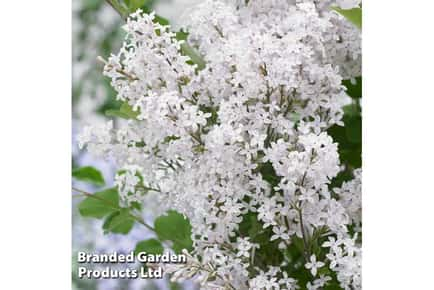
NOW
£ 6.99
£ 12.99
Lilac Flowerfesta White Shrub - Compact & Fragrant
83 bought
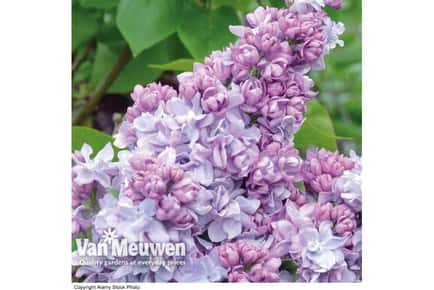
NOW
£ 6.99
£ 10.99
Double Scented Lilac Plants - Choose 1 or 2!
209 bought

NOW
£ 5.99
£ 14.99
Evergreen Californian Lilac Plant Trio
185 bought

NOW
£ 19.99
£ 29.99
Fragrant Dwarf Lilac Tree - Compact Flowering Patio or Border Plant
75 bought

NOW
£ 23.99
£ 34.99
Syringa 'Palibin' Standard Lilac Tree - Fragrant Flowering Patio Plant (1 or 2 Trees, Optional Barrel Planter)
49 bought

NOW
£ 12.99
£ 19.99
Dwarf Scented Patio Lilac Shrub - Hardy Flowering Compact Plants
174 bought
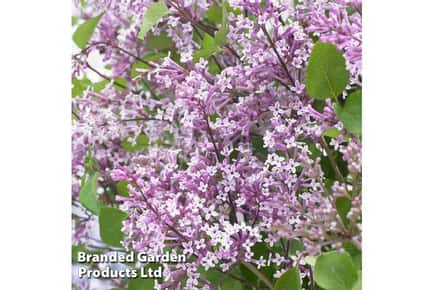
NOW
£ 6.99
£ 11.99
Lilac Flowerfesta Purple Shrub
54 bought

NOW
£ 12.99
£ 16.99
Scented Lilac Trio - Hardy Flowering Shrub Collection (Syringa)
6 bought

NOW
£ 6.99
£ 11.99
Lilac Prince Wolkonsky Flowering Shrub
19 bought

NOW
£ 6.99
£ 16.98
Ceanothus thyrsifolius Repens - Evergreen Californian Lilac Shrub
5 bought

NOW
£ 19.99
£ 29.99
Ceanothus repens Evergreen Californian Lilac Shrub - 3.6L Pot

NOW
£ 19.99
£ 26.99
Fragrant Flowering Lilac Standard Tree - Mauve-Pink Blooms, 1.5m Tall
6 bought
Discover irresistible bargains on lilac plant and related garden treasures at Wowcher. Our curated collection brings timeless fragrance, abundant blooms, and striking color to outdoor spaces, all at prices you’ll love.
From compact lilac bush varieties perfect for small plots to statement lilac trees that become a garden focal point, you’ll find options that suit every yard and every budget. Shop with confidence, knowing you’re getting quality plants from trusted horticultural sellers at exceptional Wowcher discounts.
Unbeatable Deals on Online Lilac Plants
Our online storefront lists a wide range of lilac plant options, including fragrant purple and white varieties, as well as easy-care lilac bushes that bloom reliably year after year. Look for potted lilac, bare-root lilac, and even dwarf lilac cultivars designed for containers and small spaces.
Whether you’re after a classic Syringa vulgaris with clusters of scented blossoms or a modern lilac tree that grows into a small shade tree, Wowcher makes it simple to find seasonal deals, bundle offers, and free delivery where available.
Frequently Asked Questions
What to Consider When Choosing a Lilac Plant?
First, consider space. If you have a balcony or small garden, a dwarf lilac plant or potted lilac is ideal, giving you fragrance and color without overwhelming the area.
Sunlight is essential; lilacs prefer full sun for best flowering. Ensure well-drained soil rich in organic matter. If your soil is heavy clay, amend with compost to improve drainage and root health.
Think about fragrance intensity and bloom time. Some varieties offer stronger scent, while others provide a longer flowering period. Also consider bloom color, purple, lavender, or white tones can complement different gardens and borders.
What Are the Most Popular Types of Lilac Plants?
The classic lilac, Syringa vulgaris, is beloved for abundant panicles of perfumed blooms in spring. For smaller spaces, look at compact lilac bushes that stay manageable yet deliver showy clusters. Japanese lilac offers a delicate white bloom and a graceful habit, while tree lilacs provide a taller, more tree-like silhouette for larger plots.
There are also reblooming and double-flowered varieties, plus purple, pink, or white flower tones to suit your garden palette. When choosing, consider hardiness, as some cultivars thrive in cooler UK climates while others prefer milder regions.
How to Plant and Care for a Lilac Plant?
Planting should be done in late autumn or early spring in temperate climates. Choose a sunny, sheltered site and dig a wide, deep hole. Place the roots in a natural spread, cover with soil, and water thoroughly to settle the soil around the roots.
Mulch lightly to conserve moisture, then water consistently during establishment. Feed with a balanced fertilizer in early spring, avoiding heavy nitrogen which can promote foliage at the expense of blooms. Pruning after flowering helps shape the plant and encourages robust next-year blooms.
How to Maintain Lilac Plants?
Regular pruning of spent flowers and weak growth keeps the plant balanced and promotes strong flowering in subsequent seasons. Remove crossing or crowded branches to improve air circulation and reduce disease risk.
Watch for common issues such as powdery mildew, aphids, and borers. In most cases, proper spacing, good sunlight, and good airflow prevent problems. If pests appear, treat promptly with horticultural oils or insecticidal soaps, following label directions.
A healthy lilac plant requires consistent moisture during dry spells, but never waterlogged soil. In containers, ensure drainage holes and use a well-draining potting mix tailored for woody shrubs.
What Are the Best Uses for Lilac Plants?
Plant lilac near windows or outdoor seating so you can enjoy the fragrance up close. Use lilac bushes to form informal hedges, or group several plants to create a fragrant border or a privacy screen.
Pair lilac with flowering perennials like peonies, alliums, or daylilies to create a complementary spring display. For smaller gardens, a container with a lilac plant can act as a focal point on patios and balconies.
How to Protect Lilac Plants from Pests and Diseases?
Ensure good air circulation to reduce mildew. Space plants appropriately and prune to open the canopy. In spring, inspect for aphids and apply targeted treatments if needed. Keep a tidy garden bed free of debris to minimize overwintering pests.
Mulching helps retain moisture and suppress weeds, aiding overall plant health. At Wowcher, you’ll find a range of companion plants and soil amendments to boost your lilac’s resilience and bloom quality.
What Are Some Common Lilac Varieties?
Popular choices include lilac plant varieties with vivid purple blooms, classic white forms, and pink-toned cultivars. Look for siblings of Syringa vulgaris such as dwarf or reblooming types, which offer extended seasons of color and fragrance without overpowering small spaces.
Each variety brings a slightly different bloom time, fragrance level, and growth habit, so choose based on your climate, soil, and garden design goals. Our Wowcher deals help you compare prices across many nurseries to find the best value for your lilac plant collection.
What are the top lilac plant varieties for UK gardens?
For UK climates, classic lilac plant varieties such as Syringa vulgaris offer reliable spring blooms with strong fragrance. Dwarf and compact forms, like the ‘Ludwig Spaeth’ or other small-growing cultivars, fit neatly into smaller plots or front borders while still delivering iconic lilac scent and color.
Breeding varieties tailored to cooler spring conditions provide longer flowering windows and resistance to common UK stresses. When shopping on Wowcher, check for mature height, flower color, and bloom time to match your garden plan.
Can lilac plants thrive in pots?
Yes, many lilac plant varieties do well in containers, provided the pot is large enough and offers good drainage. Choose compact cultivars or dwarf lilac for balcony or patio settings. Use a high-quality, well-draining potting mix and ensure regular feeding in the growing season to support flowering.
Container lilacs may need more frequent watering, especially in hot weather. Prune lightly to maintain shape and remove spent flowers to encourage future blooms. Wowcher’s plant bundles often include recommended container sizes and soil mixes for optimal results.
When is the best time to plant a lilac?
The best time to plant is in autumn or early spring when the plant is dormant or just beginning to awaken. This timing helps establish a strong root system before the heat of summer. Ensure a sunny site with well-drained soil to promote robust flowering in subsequent seasons.
If you’re purchasing from Wowcher, check the planting instructions for each variety, as some may prefer slightly different conditions. Mulch after planting to regulate soil moisture and protect shallow roots.
Do lilac plants require pruning, and how to prune?
Lilacs benefit from light pruning right after flowering to shape the plant and encourage next year’s blooms. Remove dead or weak wood, thin crowded branches, and cut back any shoots that are crossing or rubbing together. Avoid heavy pruning on old wood if you want flowers next season, as lilacs bloom on the previous year’s growth.
A good rule is to remove about a third of the oldest shoots at ground level every few years to rejuvenate the plant while maintaining flowering potential.