










 Shop By Category

 Subscribe
 More Options
13
Refined results Refine
13
Refined resultsJapanese maple trees

NOW
£ 6.99
£ 9.99
Japanese Maple (Acer palmatum) Compact Ornamental Tree - Optional Planters
79 bought

NOW
£ 24.99
£ 29.99
Acer Palmatum 'Shaina' Japanese Maple - Compact Red Foliage Tree

NOW
£ 12.99
£ 59.99
4 Red Japanese Maple (Acer Palmatum) Trees - Compact Ornamental
60 bought

NOW
£ 29.99
£ 44.99
Acer palmatum 'Bloodgood' Japanese Maple Tree - 3L Pot
9 bought

NOW
£ 24.99
£ 39.99
Acer palmatum 'Beni-Maiko' Japanese Maple Tree - 3L Pot
33 bought

NOW
£ 9.99
£ 14.99
Acer palmatum 'Phoenix' Japanese Maple Tree - Ornamental Deciduous Tree, Multi-Season Colour, 1 or 3 Plants
21 bought
NOW
£ 9.99
£ 17.99
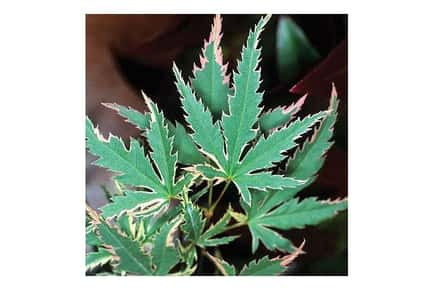
Acer Butterfly Japanese Maple Tree
17 bought

NOW
£ 7.99
£ 11.99
Acer palmatum 'Emerald Lace' Japanese Maple Tree - Finely Dissected Foliage
3 bought

NOW
£ 29.99
£ 39.99
Acer palmatum 'Katsura' Japanese Maple Tree - Colour-Changing Ornamental Shrub
1 bought

NOW
£ 26.99
£ 39.99
Acer palmatum 'Orange Dream' Japanese Maple Tree - Colour-Changing Foliage, 3L Pot

NOW
£ 6.99
£ 14.99
Colour Changing Japanese Maple Acer - 1, 2 or 4 Trees for Gardens & Patios
19 bought

NOW
£ 12.99
£ 32.99
Japanese Maple (Acer palmatum) Duo - 2 or 4 Potted Trees, Vibrant Foliage
38 bought
NOW
£ 6.99
£ 14.99
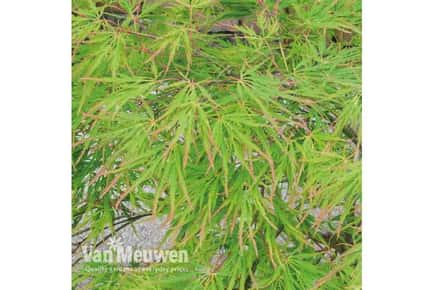
Japanese Maple 'Pal Seiryu' Potted Tree
25 bought
Japanese maple trees bring elegance to gardens and patios with delicate, lace-like leaves that shift through a palette of greens, reds, and copper tones across the seasons. Known as Acer palmatum, these ornamental trees encompass a wide range of cultivars, from compact dwarf forms perfect for containers to cascading weeping varieties that create graceful focal points. Whether you’re designing a shaded border, a woodland-inspired corner, or a balcony display, Japanese maple trees adapt beautifully when given the right care and soil conditions.
In this Wowcher UK listing, explore a curated selection of Japanese maple trees and related accessories, including popular cultivars like Bloodgood, Crimson Queen, and Nikko red, plus graceful dissectum and palmatum forms. Learn about color timing, growth habits, and how to prevent leaf scorch in sunny climates. From small container maples to larger garden specimens, there’s a perfect match for every space and budget.
This page also answers common questions about planting, care, and maintenance, so you can shop with confidence and find the ideal Japanese maple tree for your space, climate, and design goals.
Beautiful Varieties and Garden Impact of Japanese Maple Trees
From small border accents to large focal points, Japanese maple trees offer season-to-season beauty. Use them as color anchors in shade gardens, underplant with hostas and ferns, or train them into graceful container specimens that brighten balconies and patios. With hundreds of cultivars, ranging from fiery red foliage to delicate green lace, there’s a maple to suit every landscape style and maintenance level.
What are Japanese maple trees and why should I consider planting them?
Japanese maple trees, or Acer palmatum, are deciduous ornamentals prized for their finely cut leaves and stunning seasonal color. They come in compact dwarfs and tall upright forms, with foliage ranges from deep burgundy to lime green, orange, and copper. They can be grown as single-stem trees, layered in borders, or trained into bonsai. For small gardens or balcony displays, there are slow-growing cultivars with compact silhouettes that fit neatly into tighter spaces.
How do I plant a Japanese maple tree for best health and color?
Choose a site with protection from harsh afternoon sun and strong winds. Japanese maples prefer well-drained, slightly acidic soil and thrive in partial shade. Dig a planting hole wider than the root ball and backfill with a mix of garden soil and organic compost. Water well after planting and apply mulch to conserve moisture. For potted maples, use a humus-rich potting mix and ensure the container has drainage holes.
If you’re in a colder climate, select hardy cultivars like ‘Crimson Queen’ or ‘Moonlight’ and avoid sites with late frosts that can damage new growth. Mulch to insulate roots, and consider a shade cloth or protective screen during severe winters.
What are the sun and soil requirements for Japanese maple trees?
Most Japanese maples prefer partial shade and well-draining soil rich in organic matter. Too much direct sun, especially in hot climates, can scorch leaves and dull color. In milder climates like parts of the UK, a morning sun/afternoon shade position works well. Soil should stay evenly moist but not waterlogged; amend sandy or clay soils with compost to improve texture. In containers, choose a light, loamy mix and ensure good drainage.
How should I water and fertilize Japanese maple trees for optimal color and growth?
Keep the soil consistently moist during the first growing season, then reduce frequency as the tree matures. Water deeply to reach the root zone, especially in containers. In spring, a balanced, slow-release fertilizer can support new growth if leaves look pale or growth seems slow, but avoid over-fertilizing, which can cause leaf scorch. Mulching with organic material helps conserve moisture and gradually supplies nutrients.
For acidic soils, you may adjust with gentle amendments and test soil pH to keep it slightly acidic to neutral. In winter, ease back on fertilizer and rely on stored root energy for spring growth.
When and how should I prune Japanese maple trees?
Prune lightly to maintain shape after leaves emerge in spring or during the dormant season in winter. Avoid heavy pruning that removes substantial leaf area, which can stress the tree. Remove dead, damaged, or crossed branches and thin the canopy to improve air circulation. For bonsai or cascading forms, start training when the tree is young, using sterile tools to minimize disease risk.
What pests and diseases affect Japanese maple trees and how can I prevent them?
Common issues include aphids, scale insects, borers, and powdery mildew on crowded foliage. Verticillium wilt can be severe in poorly drained soils. Regular inspection helps catch problems early. Encourage beneficial insects, use horticultural oils or soaps for infestations, prune out affected growth, and sterilize tools to prevent spread. Proper spacing and good airflow reduce disease risk.
Can Japanese maple trees be grown in containers, and how do I protect them in winter?
Yes, many compact cultivars thrive in containers and can brighten patios and balconies. Use a large pot with drainage, place on a sheltered, partially shaded site, and use a well-draining, light potting mix. In winter, protect root zones with mulch or move the pot to a sheltered location, shielding from hard freezes. In milder climates, winter protection is less critical, but avoid strong winds that can desiccate exposed trunks.
How do I choose the right Japanese maple cultivar for my space and color goals?
Consider growth habit, mature height, leaf shape, and seasonal color. For small gardens, look for dwarf varieties like ‘Beni-komachi’ or ‘Shaina’ with slow growth. For shaded areas, select cultivars with more compact canopies. If you love dramatic fall color, choose crimson cultivars such as ‘Crimson Queen’ or ‘Inaba-shidare,’ and for a cascading silhouette, explore weeping forms. Pair them with complementary plants to showcase their foliage year-round.
What mistakes should I avoid when growing Japanese maple trees?
Avoid planting in hot, afternoon sun unless you have a very shaded location. Overwatering or soggy soils can lead to root rot, while overly dry soil stresses leaves and causes scorching. Don’t rely on heavy pruning for shaping; instead, aim for balanced, gradual pruning. Choose hardy cultivars in colder climates to ensure better winter survival and long-term vigor.